Every month, millions of women lose days of their lives to period cramps. They miss work, cancel plans and spend hours curled up waiting for the painkiller to kick in, not realizing that the timing of that pain killer may be the entire problem.
This strategy is called early intervention dosing, once you understand the science behind it, you’ll never approach your period the same way again.
What are Period Cramps, Really?
Period cramps, clinically called primary dysmenorrhea, are not just a side effect of having a period. They are a specific physiological event triggered by chemicals called prostaglandins.
Here’s what happens:
As your uterine lining begins to shed at the start it releases prostaglandins. This triggers powerful uterine contractions to help expel the lining. Those contractions are what create the cramping and throbbing pain.
Dysmenorrhea is the most common gynecologic condition in women during the reproductive years yet most never receive adequate guidance on how to treat it properly.
Why NSAIDs Are the Gold Standard for Menstrual Pain
Not all pain relievers work the same way on period cramps and the distinction matters. NSAIDs (non-steroidal anti-inflammatory drugs), like ibuprofen and naproxen work by blocking the enzyme responsible for producing prostaglandins. NSAIDs are considered the preferred first-line treatment because of the prostaglandin-based cause of primary dysmenorrhea.
Acetaminophen (Tylenol) , by contrast, works differently and does not target prostaglandins in the same way. Research confirms that acetaminophen does not appear to be any more effective than a placebo and is significantly less effective than NSAIDs in reducing menstrual pain.
So, if you’ve been reaching for Tylenol on your period and wondering why it barely helps - now you know!
The Golden Window: What 80 Clinical Trials reveal about Timing
Here is where the science gets fascinating, and where most women are leaving significant relief on the table.
A comprehensive clinical review published in the Korean Journal of Family Medicine analyzed a systematic review of 80 randomized controlled trials involving more than 5,800 women. The researchers examined what made NSAID treatment for period pain most effective, and the answer came down to timing.
The review found that NSAIDs should be started 1-2 days before the predicted onset of menstruation, and continued through the first 2-3 days of bleeding for optimal relief.
This pre-emptive approach is called early intervention dosing and it works by blocking prostaglandin production before it begins to prevent pain from ever reaching its peak.
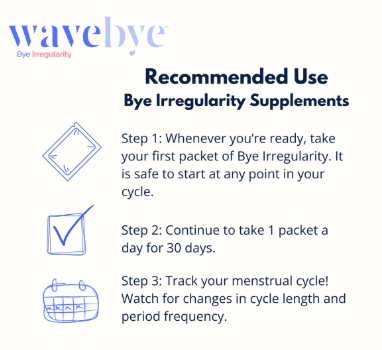
To get started, begin by tracking your cycle. Understanding what’s happening in your body leading up to menstruation can better prepare you for when to start taking pain relief!
Studies used:
Primary Dysmenorrhea: Pathophysiology, Diagnosis, and Treatment Updates