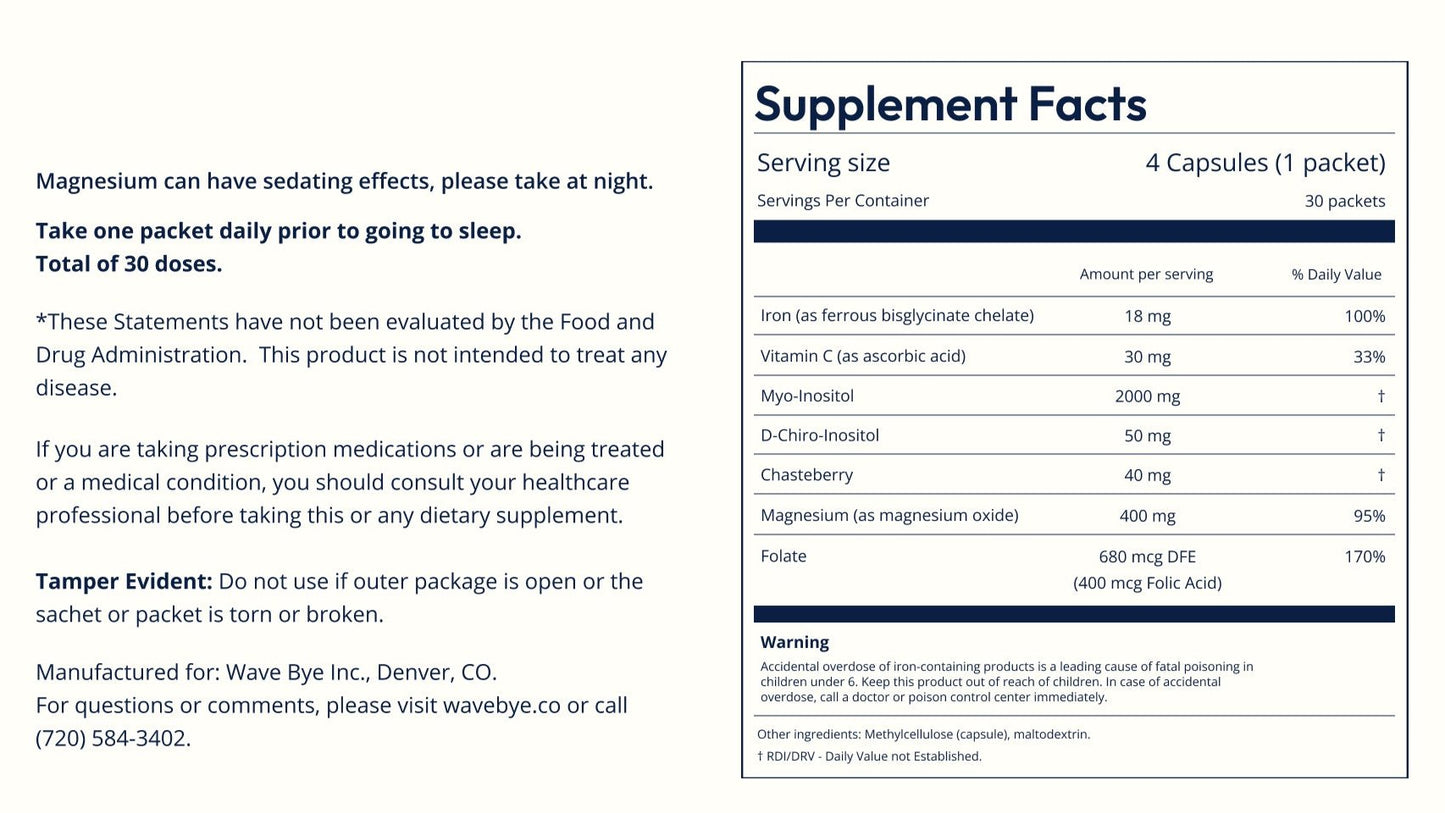
Herbal remedies often get a bad reputation for lacking hard data, but a massive 2024 study published in Archives of Gynecology and Obstetrics has changed the conversation. Researchers studied 1,700 women over three months to find out whether this ancient herb, chasteberry, actually works in the real world.
What the 2024 Chasteberry Study Found
Participants experienced a range of menstrual cycle disorders including irregular bleeding, dysmenorrhea, and breast pain. After three months of taking a standardized chasteberry extract, here is what happened:
- Irregular cycles: At the start, 9.1% of women had irregular periods and by the end that number dropped to just 0.1%
- Breast tenderness: Breast pain went from affecting 39.9% of the group to just 0.8%
- Period pain: 85.2% of women reported significant improvement in cramps
- Bleeding issues: Over 80% of women saw improvements in how heavy or frequent their periods were
How Does Chasteberry Support Hormone Balance?
Chasteberry doesn't mask pain. It actually communicates with your brain's control center for hormones.
The herb has dopaminergic activity, which is a fancy way of saying it mimics dopamine to help lower the secretion of prolactin. Prolactin is the hormone responsible for milk production, but when levels are too high in non-pregnant women, it can cause your period to stop, become irregular, or make your breasts feel tender. By helping to balance prolactin, chasteberry supports healthy progesterone levels and can assist the natural rhythm of your cycle.
Can Chasteberry Support More Than Just Physical Symptoms?
The study looked beyond pain. It examined how women felt across almost all aspects of life, including sleep quality, stress levels, migraines, and concentration.
For many women, cycle symptoms are treated as individual problems, but this research suggests something different. Symptoms are often connected and can start earlier than we think. Chasteberry isn't new, but the way we understand it is evolving.